Thinking About Driving for Uber Again? Here’s What Has Changed Since 2020
The last time I drove for Uber was in March 2020, just as the COVID-19 pandemic was beginning to change everything. Like many drivers, I eventually stopped driving and moved on to other priorities. But recently, I started wondering what it would be like to get back behind the wheel.
A lot has changed over the past several years. The requirements have become more structured, Ontario has introduced new protections for digital platform workers, and the economics of ridesharing have evolved with higher operating costs and changing passenger demand.
If you’re like me and haven’t driven since 2020, here’s what you should know before deciding whether it’s worth returning. While I am not ready to get back to it yet, I did some research to see what had changed, what I should know about, then decided to post it all here for others to be aware of.
You’ll Need to Get Reapproved
If you’ve been away from Uber for several years, don’t expect to simply log back into the app and start accepting trips. Your documents and approvals have almost certainly expired, and you’ll need to complete the reactivation process.
You’ll still need a valid Ontario Class G driver’s licence, proof that you’re legally allowed to work in Canada, updated vehicle registration, and proof of insurance that meets Uber’s requirements. Uber will also require a new background screening and driving record check before your account can be reactivated. These may take a couple of weeks to process and approve again, so set some time now if you plan to get back to it immediately.
If you plan to drive in the City of Toronto, you may also need to complete any driver training or licensing requirements that apply under the city’s current Private Transportation Company (PTC) rules.
Your vehicle will also need to meet Uber’s eligibility requirements, including passing a vehicle safety inspection and falling within the permitted model-year limits for the service you’re providing. While the age criteria is around 7 years, they may differ for some markets or types of vehicles.
The Cost of Driving Is Higher Than It Used to Be
One of the biggest differences since 2020 isn’t Uber itself—it’s the cost of owning and operating a vehicle.
Fuel prices have been significantly more volatile, maintenance costs have increased, insurance premiums have climbed, and vehicles themselves have become more expensive. Every kilometre you drive now costs more than it did a few years ago. I know more than a few drivers – both in person and through online reading – that have either quit or temporarily stopped driving last few months due to higher fuel prices.
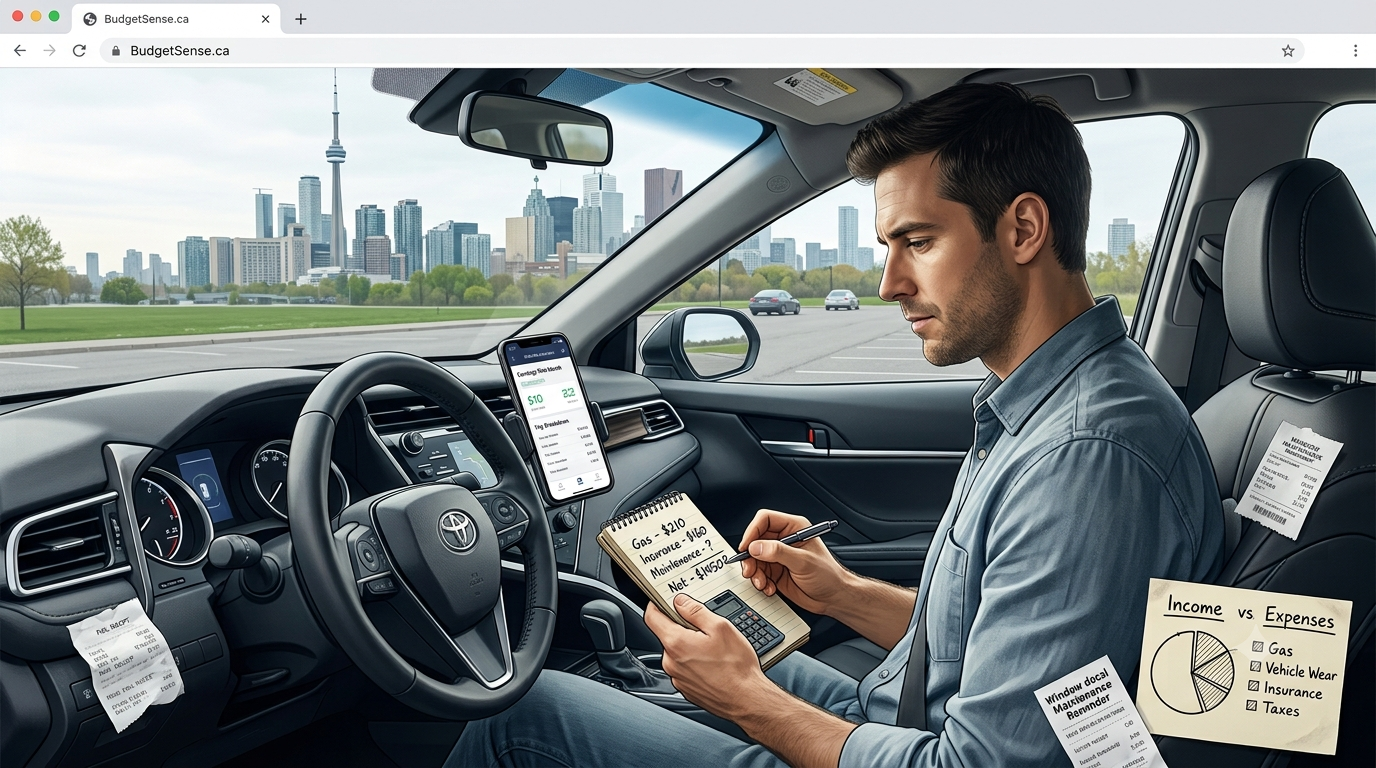
That means it’s more important than ever to focus on your net earnings, not just what Uber says you earned during a shift. After fuel, maintenance, depreciation, taxes, and other operating expenses, your take-home income can be substantially lower than your gross earnings. Having driven on a part time basis for Uber for 3 years, it is amazing how quickly the mileage can add up. Ask yourself if it is worth putting so much mileage on your car for what amounts to less than minimum wages at time; after all the costs are factored in.
Ontario Has Introduced New Driver Protections
Since I last drove, Ontario introduced the Digital Platform Workers’ Rights Act, which provides certain minimum standards for workers using digital platforms such as Uber.
Among other protections, drivers are entitled to at least the provincial general minimum wage for their engaged time-the period beginning when a trip request is accepted and ending when the passenger or delivery is completed. Tips cannot be counted toward meeting this minimum. Speaking of tips, at least when I drove, it was more the exception than the norm, with less than 10% of trips getting a tip. I can’t tell if things have improved since – rider awareness – or worsened due to economic conditions.
It’s important to understand what this does not mean. Time spent waiting for your next ride request while sitting in a parking lot or driving around is generally not considered engaged time. As a result, your actual hourly earnings over an entire shift can still vary considerably depending on demand.
Is the Money Still Worth It?
The answer depends largely on when and where you drive.
Drivers who work during busy commuting hours, weekends, concerts, sporting events, or around Pearson Airport often earn considerably more than those driving during quieter periods. Promotions, surge pricing, and tips can also make a noticeable difference.
However, traffic across the Greater Toronto Area has become even more challenging than it was several years ago. Major construction projects, congestion on the Gardiner Expressway, Highway 401, and downtown streets can reduce the number of trips you complete each hour while increasing fuel consumption.
Like many gig jobs, success often comes down to working smarter rather than simply working longer.
The Pros of Returning to Uber
The biggest advantage remains flexibility. You decide when to log in, when to log out, and how many hours you want to work each week.
Uber can also be an excellent way to earn supplemental income if you’re saving for a specific financial goal, paying down debt, building an emergency fund, or simply looking for a side hustle that fits around a full-time job.
The platform has also become more transparent about fares and includes additional protections regarding account deactivations compared to the early days of ridesharing.
The Downsides You Should Consider
Driving for Uber still comes with significant costs that many new drivers underestimate.
Your vehicle experiences additional wear and tear, maintenance intervals become more frequent, fuel expenses add up quickly, and depreciation accelerates as mileage increases. Those costs don’t always feel obvious in the moment, but they have a real impact on your long-term profitability.
There’s also the reality of spending hours in GTA traffic, dealing with difficult passengers from time to time, and accepting that your earnings can fluctuate from week to week.
How to Get Back on the Road
If you’re thinking about driving again after several years away, the process is fairly straightforward.
Start by logging into your Uber Driver account – through the app or website – to see which documents need updating. You’ll likely need to complete a new background screening, upload current driver’s licence and vehicle documents, and obtain a new vehicle safety inspection if required. Depending on where you intend to drive, you may also need to satisfy any current municipal licensing or training requirements before your account is fully reactivated.
Final Thoughts
For me, driving Uber again isn’t just about making extra money-it’s about understanding whether the opportunity still makes financial sense in today’s economy.
Uber can still be a valuable side hustle, particularly if you’re strategic about when you drive and keep a close eye on your expenses. But it’s no longer enough to look only at your weekly payouts. To know whether you’re truly making money, you need to calculate your net income after fuel, maintenance, insurance, depreciation, and taxes. If I had to describe it, based on my own experience, Uber makes sense if you don’t treat it as your main source of income and only doing it as a side hustle; even a way to kill some time and get to know new places and people etc.
If you’re considering returning after several years away, go in with realistic expectations. Driving for Uber can still provide flexibility and additional income, but like any business, the numbers only work if you understand your true costs.